Last summer, the Kavkovske Reservoir was blown up by the Russians in yet another spectacular act of terrorism. Now, nature is trying to retake the river
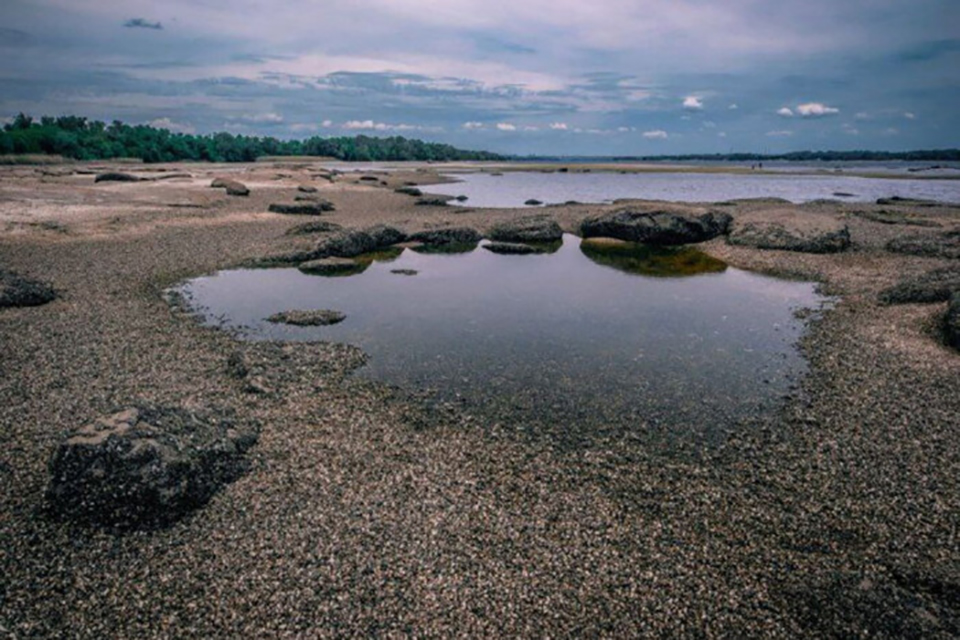
Last summer, the Kavkovske Reservoir was blown up by the Russians in yet another spectacular act of terrorism. Now, nature is trying to retake the river
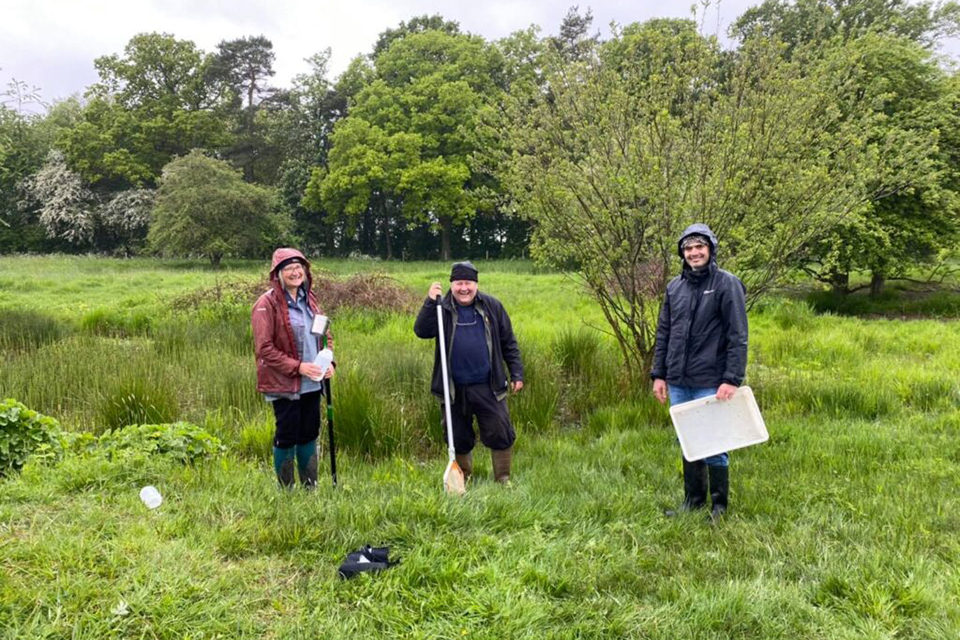
This week, Rewilding Britain celebrated their astounding success. With 1000 members in their network, who are actively rewilding more than 120.000 ha of land and 50.000 ha seabed, the movement is gaining more and more momentum
In Andalusia, the dehesa landscape dominates. The question is whether the protection of the dehesas serves to safeguard the cultural heritage or the biodiversity?
Rewilding can’t alleviate all the climate challenges we face. However, it does offer a precious contribution, namely a decisive upgrade of carbon sequestration in forests, grassland and tundras. With biodiversity as an added bonus.
In this new book some of the foremost ‘real’ and imaginary landscapes of the Middle Ages that could be found both in the tangible world and in the pages of manuscripts are examined.
The remains of the last of the two hydroelectric dams at the River Selune were finally dismantled in 2022, leaving the landscape to recover. But unfortunately, the restoration is hampered by multiple interests and no clear agenda.
The essence of the medieval Christian landscape was encapsulated in the idea of the beloved place of pleasure, Paradise
During the first millennium, northern and eastern Europe was sparsely populated and devoid of anything but wilderness. How did it feel to live in this medieval world?
Turning the map of Europe upside down, we see a peculiar peninsula on either side surrounded by the Mediterranean and the Baltic, from where it struts into the Atlantic Ocean.
How did people in the Middle Ages view their surroundings? What was their idea of a livable world? Which part was sacred? What profane? And what was wilderness? Did they even think of their world inside these dichotomies?